The Art of Creating a Signature Style: Personalizing Interior Turnkey Projects

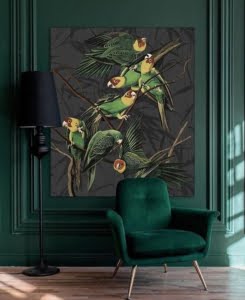
In the world of interior design, developing a unique and recognizable signature style is more than just a creative pursuit; it’s a powerful tool that sets you apart as a designer. When working on turnkey interior projects, the challenge lies in infusing your personality into the spaces while ensuring they align with your brand identity.

Personalization is key, but it’s equally important to understand your client’s preferences and needs. Striking a balance between the two is where the magic happens.

Here are some tips to help you master the art of signature style in turnkey projects:

Define Your Brand Identity: Your signature style should be an extension of your brand. Establish a clear vision of what you want to convey through your designs.

Study Past Projects: Reflect on your previous works that reflect your style. Showcase them as examples to your potential clients, demonstrating your design ethos.

Embrace a Cohesive Palette: Select a colour palette that resonates with your style and can be used as a common thread across your projects.

Pay Attention to Details: Infuse unique elements into each project that speaks to your style – whether it’s bespoke furniture, custom art, or distinctive textures.

Listen to Your Clients: Understand your client’s preferences and incorporate them thoughtfully into your designs to create spaces they’ll love.

Tell a Story
: Each project should have a narrative that reflects both your style and the client’s personality, creating a seamless blend of aesthetics.

Evolve and Refine: Signature styles are not static. Allow your style to evolve while retaining its essence.

By mastering the art of creating a signature style in turnkey projects, you’ll not only leave a lasting impression on your clients but also establish yourself as a unique and sought-after interior designer. Remember, personalization and client satisfaction can go hand in hand with the right approach and a touch of creativity.
Interior Designer’s Guide to Furniture and Decor Shopping

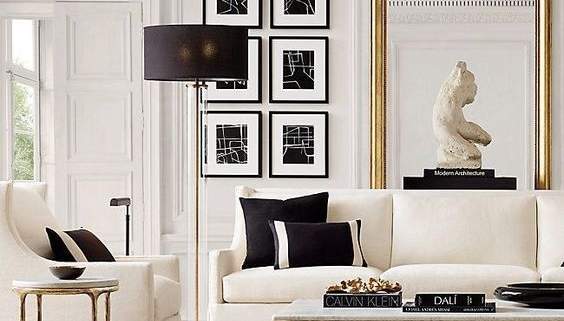
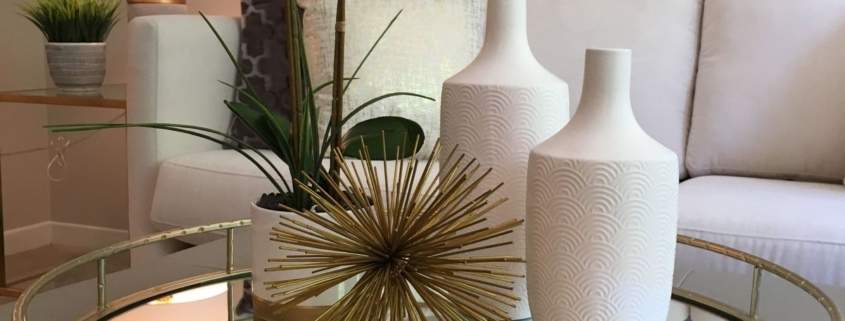
Welcome to the world of transforming spaces! As an interior designer, I understand the significance of furniture and decor in creating an inviting home. Here are some expert tips for a delightful shopping experience:

Define Your Style: Begin by determining your preferred interior style – minimalist, contemporary, traditional, or eclectic. This helps streamline choices and ensures a cohesive look.

Measure, Measure, Measure: Accurate measurements of your space are crucial. Note room dimensions, doorways, and hallways to avoid purchasing items that won’t fit.

Quality Matters: Invest in well-crafted, durable pieces. High-quality furniture lasts longer, retains its appeal, and often becomes timeless heirlooms.

Functionality & Comfort: Aesthetic appeal should never compromise functionality. Choose furniture that suits your lifestyle and provides the utmost comfort.

Mix & Match: Don’t hesitate to blend different styles and materials for an intriguing look. However, maintain a balance to avoid overwhelming the space.

Colour Palette: Stick to a consistent colour scheme for a harmonious ambience. Experiment with complementary shades to add depth and character.

Texture & Patterns: Incorporate various textures and patterns to add visual interest. A mix of smooth, rough, patterned, and plain surfaces can elevate the space.

Lighting Magic: Lighting can transform a room dramatically. Play with different light sources, such as lamps and sconces, to create an inviting atmosphere.

Personal Touch: Infuse your personality into the decor. Display personal mementoes, art, or souvenirs that resonate with you.

Budget Wisely: Set a budget and prioritize essential items. Splurge on statement pieces and save on trendy accents.

Sustainable Choices: Opt for eco-friendly furniture and decor. Reclaimed or recycled materials contribute to a greener planet.

Online & Offline Shopping: Explore both online and physical stores. Online shopping offers convenience, while physical stores allow you to experience the items firsthand.

Reviews & Recommendations: Read customer reviews and seek recommendations to make informed decisions.

Delivery & Assembly: Check delivery options and assembly requirements before purchasing bulky furniture.
Seasonal Sales: Be on the lookout for seasonal sales and discounts to snag great deals.

Ready to transform your home into a masterpiece? For personalized interior design consultation and to embark on this creative journey together, contact us now at. We can’t wait to bring your dream space to life!

Happy designing and decorating! Remember, creating a harmonious home is a journey – enjoy every step of it! 🏡✨

To see more of our stunning projects and design inspirations, follow us on Instagram. Let’s connect and explore the endless possibilities of interior design!

Preparing Your Home for a Dazzling festival Makeover

Diwali, the festival of lights, is a time when homes in India are adorned with beautiful decorations and vibrant colours. If you’re planning to give your home a stunning makeover before Diwali, starting the interior work well in advance is essential. In this mini blog, we’ll explore the best time to begin your interior project to ensure your home is ready to dazzle guests on Diwali.

Assess your project requirements:
Before diving into the timeline, take some time to evaluate the scope of your interior project. Identify the areas you want to renovate or decorate, create a budget, and make a list of necessary materials. This preparation will help you estimate the time required for each task and plan accordingly.

Early preparations: Two to three months before Diwali
Starting your interior work two to three months before Diwali gives you ample time to complete the project without rushing. During this phase, focus on:
a. Research and inspiration: Explore various design ideas, themes, and colour schemes to find the perfect style that suits your preferences and complements the festive spirit.

b. Hire professionals: If your project involves hiring contractors, carpenters, or interior designers, this is the right time to engage them. Schedule consultations, get quotes, and finalize the team that will bring your vision to life.

c. Material procurement: Order materials and furnishings in advance to avoid any delays or stock shortages. Take into account delivery times and consider purchasing essential items first.

Execution phase: One to two months before Diwali
Once the initial preparations are complete, it’s time to move on to the execution phase. This period allows sufficient time for major renovations, installations, or any structural changes that might be required. Focus on:
a. Structural changes: If you’re planning to modify the layout, knock down walls, or make any structural changes, this is the time to do it. It’s crucial to complete these tasks early on to avoid delays in subsequent stages.

b. Painting and wallpapering: Fresh paint or new wallpapers can significantly enhance the look of your interiors. Plan for painting, wallpapering, or any wall treatment at least a month before Diwali, ensuring ample time for drying and touch-ups.

c. Flooring and tiling: If you’re installing new flooring or tiling, plan this phase well in advance. It’s advisable to complete these tasks before finalizing other decorative elements like furniture and curtains.

Finishing touches: Two to three weeks before Diwali
With the major work completed, it’s time to add the final touches and bring the space together. Focus on:
a. Furniture and furnishings: Purchase or refurbish furniture pieces to match your new interior design. Select fabrics, curtains, and upholstery that complement the overall theme and ambience.

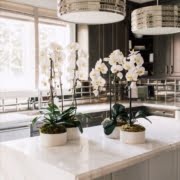
b. Lighting and fixtures: Diwali is all about illumination, so pay special attention to lighting fixtures. Install new light fixtures, chandeliers, or decorative lamps to create a warm and inviting atmosphere.

c. Decorations: As Diwali approaches, add festive decorations to your newly renovated space. Rangoli designs, diyas, lanterns, and flower arrangements can infuse the festive spirit into your home.

To ensure your interior work is completed in time for Diwali, it’s essential to start planning and executing the project well in advance. By following the suggested timeline, you’ll have enough time for all the necessary renovations, decorations, and finishing touches. Contact to give your home a new look and embrace the festival of lights with a beautifully transformed home that reflects the joy and vibrancy of Diwali.

Get Your Home Monsoon-Ready: Embrace the Rainy Season with these Simple Tips

Get Your Home Monsoon-Ready: Embrace the Rainy Season with these Simple Tips

The monsoon season is just around the corner, and with it comes the refreshing rain, cool breeze, and a much-needed break from the scorching summer heat. However, as much as we enjoy the monsoon, it’s important to prepare our homes to withstand the challenges that come with the rainy weather. In this blog post, we will explore some easy and effective tips to get your home monsoon-ready, ensuring a comfortable and cosy living space during this delightful season.

Paint Walls to Lighter Colors:
One of the simplest and most effective ways to prepare your home for the monsoon season is by painting the walls in lighter colours. Lighter shades not only brighten up your space but also create an illusion of openness and airiness. During the rainy season, natural light may be limited, so opting for lighter hues will help maximize the available light, making your home feel more vibrant and welcoming even on cloudy days.

Add Plants and Flowers:
Bringing nature indoors is a wonderful way to enhance the ambience of your home during the monsoon season. Adding plants and flowers can instantly breathe life into your living space, making it feel fresh and rejuvenating. Opt for low-maintenance plants that thrive in humid conditions. They not only purify the air but also add a touch of natural beauty to your home. Incorporating vibrant flowers in your decor will further uplift your mood, offsetting the grey skies outside.

Roll Away Rugs and Carpets to Avoid Moisture:
As the rainwater seeps into the ground, it increases the humidity in the air, which can lead to moisture build-up in your home. To prevent dampness and mould growth, it is advisable to roll away rugs and carpets during the monsoon season. If possible, consider using washable mats or rugs that can be easily cleaned and dried. This will not only help maintain a clean and hygienic living space but also prevent any unpleasant odours or allergies caused by moisture retention.

Change Heavy Curtains to Lighter One:
During the monsoon season, heavy curtains can become a hindrance, as they tend to trap moisture and block natural light. To make the most of the available daylight and keep your home bright and well-ventilated, replace heavy curtains with lighter ones. Opt for materials like cotton or sheer fabrics that allow light to filter through while still providing privacy. This simple swap will help create an inviting and airy atmosphere within your home, making the most of the occasional sunny spells.

Use Mirrors to Reflect Light:
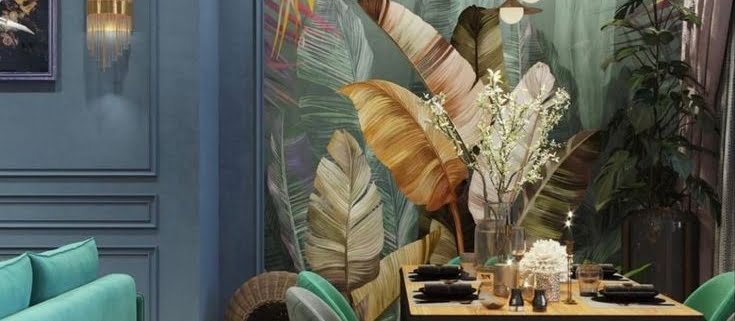
Mirrors are fantastic tools for maximizing natural light and creating an illusion of spaciousness in any room. During the monsoon season when sunlight may be scarce, strategically placed mirrors can make a significant difference. Hang mirrors opposite windows or in dark corners to reflect light and brighten up the space. Not only will this trick enhance the overall lighting, but it will also make your rooms appear larger and more open, transforming the ambience of your home.


With these simple yet effective tips, you can easily get your home monsoon-ready and embrace the rainy season with open arms. From painting your walls in lighter colours to adding greenery and incorporating reflective elements, these small changes can make a big impact on the ambience of your living space. So, make the most of the monsoon by creating a cosy and inviting home that complements the beauty of nature outside. Stay dry and enjoy the rain!

Embracing Nostalgia: The Resurgence of Vintage and Retro Styles in Interior Design

In the ever-evolving world of interior design, trends come and go, but some styles have a way of making a remarkable comeback. Vintage and retro aesthetics, once considered relics of the past, are now experiencing a resurgence in popularity. With their nostalgic charm and timeless appeal, these design styles offer a unique opportunity to infuse spaces with character and personality. In this blog post, we will explore the reasons behind the revival of vintage and retro styles in interior design and inspire how to incorporate them into your home.

The Allure of Nostalgia:
Nostalgia plays a significant role in the renewed interest in vintage and retro design. People long for the comfort and familiarity of bygone eras, seeking solace in designs that evoke memories of simpler times. We’ll discuss how nostalgia influences our design choices and how vintage elements can create a warm and inviting atmosphere.

Embracing Timeless Elegance:
Vintage and retro styles have a unique appeal due to their timeless elegance. We’ll explore iconic design movements such as Mid-Century Modern, Art Deco, and Victorian, showcasing their distinctive features and how they can be incorporated into contemporary interiors. From sleek furniture to bold colour palettes, we’ll highlight key elements that define these styles.

Mixing Old and New:
One of the exciting aspects of vintage and retro design is the opportunity to mix old and new elements seamlessly. We’ll provide tips on how to blend vintage pieces with modern aesthetics, creating a harmonious and eclectic look. From reupholstering vintage furniture to incorporating retro-inspired accessories, we’ll guide readers on achieving a balanced fusion of the past and present.

Thrifting and Upcycling:
Thrifting and upcycling have become popular ways to embrace vintage and retro styles sustainably. We’ll discuss the joy of treasure hunting at flea markets and thrift stores, as well as the satisfaction of repurposing and breathing new life into old items. We’ll provide practical tips on finding unique pieces, restoring them, and incorporating them into your interior design scheme.

Retro-Inspired Color Palettes and Patterns:
Colours and patterns play a vital role in vintage and retro design. We’ll delve into the iconic colour palettes and patterns of different eras, such as the vibrant hues of the 1960s or the pastel shades of the 1950s. We’ll also discuss how to introduce these colours and patterns into your home through wallpaper, textiles, and accessories.

Creating Retro-Inspired Spaces:
To inspire readers, we’ll showcase real-life examples of beautifully designed retro-inspired spaces. From retro kitchens to cosy mid-century living rooms, we’ll explore the unique elements and design choices that make these spaces stand out. Readers will gain practical ideas on infusing their homes with vintage charm.

The resurgence of vintage and retro styles in interior design is a testament to their enduring appeal and ability to captivate across generations. By embracing nostalgia and incorporating these elements into our homes, we can create spaces that reflect our unique personalities and provide a warm and inviting ambience. Whether it’s through thrifting, upcycling, or a carefully curated mix of old and new, vintage and retro design allow us to celebrate the beauty of the past while embracing the present. So why not embark on a journey of rediscovery and bring a touch of timeless elegance into your own home?

Small Budget, Big Impact: Affordable Design Ideas for Any Home

In today’s fast-paced world, creating a beautiful and inviting home is more important than ever. However, many people believe that achieving an aesthetically pleasing living space requires a hefty budget. The good news is that with a little creativity and resourcefulness, you can transform your home on a small budget. In this blog post, we’ll explore some affordable design ideas that can make a big impact on any home, allowing you to create a space you’ll love without breaking the bank.

Declutter and Rearrange:
One of the easiest and most cost-effective ways to revitalize your home is to declutter and rearrange your furniture. Start by clearing out unnecessary items and organizing your belongings. Removing clutter instantly makes your space feel larger and more inviting. Next, consider rearranging your furniture to create a new layout that better suits your needs. Experiment with different configurations and make use of natural light sources to enhance the overall ambience of the room.

Fresh Coat of Paint:
A fresh coat of paint can work wonders in transforming the look and feel of a room. Opt for lighter, neutral tones to make your space appear more spacious and open. Painting an accent wall in a bold colour can also add a touch of personality and create a focal point without requiring too much paint. Don’t forget to prepare the walls properly before painting to achieve a smooth finish.

Upgrade Lighting:
Lighting plays a crucial role in setting the mood and ambience of a room. Consider replacing outdated light fixtures with more modern, energy-efficient alternatives. Install dimmer switches to create a versatile lighting scheme that can adapt to different occasions and activities. Additionally, strategically placing floor or table lamps can provide soft, cosy lighting and add a decorative element to your space.

Embrace DIY:
Get your creative juices flowing and take on some do-it-yourself projects to personalize your home. Upcycling old furniture by repainting or refinishing can give them a fresh, new look. Create your own artwork or prints to adorn your walls, or frame memorable photographs to add a personal touch. DIY projects not only save money but also allow you to showcase your unique style and creativity.

Add Greenery:
Plants have a remarkable ability to breathe life into any space. They not only improve air quality but also bring a sense of freshness and tranquillity. Visit your local nursery or explore online options for affordable indoor plants that are easy to care for, such as snake plants or pothos. Consider displaying them in attractive pots or DIY planters to further enhance their visual impact.

Update Soft Furnishings:
Updating soft furnishings can give your home a quick and affordable makeover. Replace old, worn-out curtains with light and breezy options that allow natural light to filter in. Swap out cushion covers and throws to introduce new colours and textures into your space. Look for sales or explore thrift stores for affordable and unique soft furnishings that can add character to your home.

Pay Attention to Details:
Sometimes, it’s the little details that make a big difference. Replace outdated hardware on cabinets and doors with modern and stylish options. Upgrade switch plates and outlet covers to match your desired aesthetic. Invest in new bedding or decorative pillows to transform your bedroom without spending a fortune. These small details can elevate the overall look and feel of your home.

Creating a beautiful and inviting home doesn’t have to break the bank. By implementing these affordable design ideas, you can transform your space and make a big impact on a small budget. Remember, the key is to be resourceful, think outside the box, and let your creativity shine. With a little effort and ingenuity, you can achieve a stylish and personalized home that reflects your unique taste and personality. Contact Us

Infusing Your Personality into Design

In the world of interior design, creating a personalized space that truly reflects your personality has become a captivating trend. Gone are the days of cookie-cutter designs that lack character and individuality. Today, people crave spaces that tell their unique stories, evoke emotions, and provide a sense of belonging. In this blog post, we will explore the art of infusing your personality into the design, unlocking the key to cultivating a space that is truly your own.

Unleash Your Inner Visionary:
The first step in infusing your personality into your design is to tap into your imagination and define your vision. Take the time to reflect on your passions, interests, and the emotions you want to experience in your space. Are you drawn to vibrant colours, sleek lines, or cosy textures? Do you love vintage items or are you fascinated with contemporary art? Let your imagination soar and envision how these elements can come together to create a space that is uniquely yours.

Find Inspiration in Your Story:
Your personal journey holds a treasure trove of inspiration for your interior design. Dive into your life experiences, travels, cultural heritage, and cherished memories. Incorporate elements that symbolize these aspects of your life into your design. Whether it’s a collection of souvenirs from your adventures, artwork that reflects your heritage, or photographs capturing special moments, these personal touches will make your space feel truly authentic.

Embrace Your Signature Style:
Every individual has a distinctive style that makes them unique. It’s essential to embrace and celebrate that style when infusing your personality into design. Whether you lean towards modern minimalism, bohemian chic, or classic elegance, let your style guide your choices in furniture, colour palettes, patterns, and accessories. The goal is to create a cohesive and harmonious space that resonates with your personal aesthetic.

Mix and Match with Confidence:
Personalized design is all about breaking free from conventional rules and blending different elements with confidence. Experiment with mixing patterns, textures, and materials to create an eclectic yet cohesive look. Combine vintage pieces with modern accents, layer different fabrics and finishes, and introduce unexpected elements that speak to your personality. This fearless approach will result in a space that is visually dynamic and reflects your unique taste.

Let Art and Personal Collections Shine:
Art has the power to transform a space and inject a personal touch like no other. Invest in pieces that resonate with you, whether it’s paintings, sculptures, or photography. Display them prominently in your space, allowing them to tell their stories and spark conversations. Additionally, showcase your personal collections, whether it’s books, vinyl records, or antique treasures. These curated displays will give your space depth and character, making it truly your own.

Infusing your personality into your interior design is an exciting journey that allows you to create a space that feels like an extension of yourself. By unleashing your imagination, drawing inspiration from your story, embracing your signature style, mixing and matching with confidence, and incorporating art and personal collections, you can cultivate a personalized space that is not only visually stunning but also deeply meaningful. So, let your personality shine through your design, and create a space that is as unique and extraordinary as you are.

Are you ready to embark on this creative adventure of self-expression? Share your personal design stories and let the world witness the magic that happens when your personality becomes an integral part of your space.

The interior trends to look out for in 2023

As we usher in 2023, it’s time to refresh our living spaces with the latest interior design trends. This year, we are seeing a strong emphasis on incorporating nature into our homes with the biophilia trend, as well as a shift towards warm, earthy tones and vintage accents. The use of curves in furniture and decor creates a softer, more inviting feel while contemporary maximalism allows for a personalized and eclectic mix of styles.

Here are some of the hottest interior trends to keep an eye out for:

Biophilia: Bring the outdoors in with natural elements like plants and greenery to create a peaceful and calming atmosphere.

Warm colours: Say goodbye to cool greys and whites and hello to warm, earthy tones that create a cosy and inviting space.

Local art and craft: Support local artists and artisans by incorporating their unique pieces into your home decor.

Vintage accent: Add character to your space with vintage accents like antique mirrors, old-fashioned light fixtures, and classic furniture pieces.

Curves: Embrace the softness of curves in furniture and decor to create a more comfortable and welcoming space.


Contemporary maximalism: Don’t be afraid to mix and match patterns, textures, and colours to create a bold and eclectic space that showcases your personality.

So why not try incorporating one or more of these trends into your home to create a warm and welcoming space that reflects your personality and style? Whether it’s adding some lush greenery or a vintage statement piece, these interior design trends will help you elevate your living space and make it a haven for you and your loved ones.

As always, the key to a successful home redesign is to stay true to your personal style and preferences. So, take inspiration from these trends but make sure to put your own unique spin on them. Happy decorating!

How do you keep the white interior of your home white?

Maintaining the white interior of your home can be a challenging task. However, with the right approach and techniques, it is possible to keep your white walls and décor looking pristine for years to come. Here are some tips to help you keep your home’s white interior looking bright and clean:

1. Choose washable fabrics: If you have white upholstered furniture or bedding, choose fabrics that are washable. This will make it easier to clean any stains or spills that may occur.

2. Choose durable furniture materials: If you have white furniture, consider materials that are durable and easy to clean, such as leather, vinyl, or microfiber. These materials are less likely to stain or discolor over time.

3. Select the right kitchen countertop material: When choosing a countertop material for your white kitchen, consider options that are stain-resistant and easy to clean, such as quartz or solid surface materials. Avoid porous materials like marble, which can stain easily.

4. Use slipcovers: If you have white upholstered furniture that is not washable, consider using slipcovers that can be easily removed and washed. This will help protect your furniture from stains and spills.

5. Nano-coating your upholstery can help protect it from stains and spills, and make it easier to clean. This technology creates a protective barrier that repels liquids and prevents them from penetrating into the fabric fibres. Additionally, it can help extend the life of your furniture by reducing wear and tear.

6. Avoid using dark or abrasive materials: When cleaning your white surfaces, avoid using dark or abrasive materials that can scratch or damage the surface. Opt for soft, white clothes or sponges instead.

In conclusion, keeping your white interior looking bright and clean requires a combination of regular cleaning, careful maintenance, and the right products. With these tips, you can enjoy a beautiful and pristine white interior for years to come.

How to make your maximalist home clutter free

Maximalist homes are known for their bold and eclectic design choices. From vibrant colors to elaborate decor, they are anything but minimalistic. However, with such a bold design approach comes the risk of clutter. It can be challenging to maintain a balance between a maximalist aesthetic and a clutter-free home. So, how do you keep your maximalist home clutter-free? Here are some tips to help you achieve the perfect balance.

Tip #1: One in, one out
The first step to maintaining a clutter-free maximalist home is to adopt a “one in, one out” policy. Every time you bring a new item into your home, you should get rid of an item you no longer need. This will help you keep your home organized and prevent clutter from building up over time.

Tip #2: Maximize storage space
Maximalist homes can benefit from clever storage solutions. Consider investing in multi-functional furniture that can double as storage space. For example, an ottoman can be used as a coffee table and also provide storage space for blankets or pillows. Maximizing storage space will help you keep your home organized and clutter-free.

Tip #3: Keep surfaces clear
Maximalist homes often have a lot of decorative items and knick-knacks. However, it’s essential to keep surfaces clear to prevent clutter from taking over. Limit the number of items on each surface and consider using decorative trays or baskets to corral smaller items.

In conclusion, a maximalist home can be clutter-free with the right approach. By adopting a “one in, one out” policy, maximizing storage space, and keeping surfaces clear, you can maintain a balance between bold design and a clutter-free home. Remember, a clutter-free home is not only visually appealing, but it also promotes a sense of calm and well-being. So, start decluttering today and enjoy a more organized and functional maximalist home.